What Is Fleet Telematics?
Telematics is the combination of location data, vehicle data and communication. This guide explains what it measures and how fleets use it.
What it measures
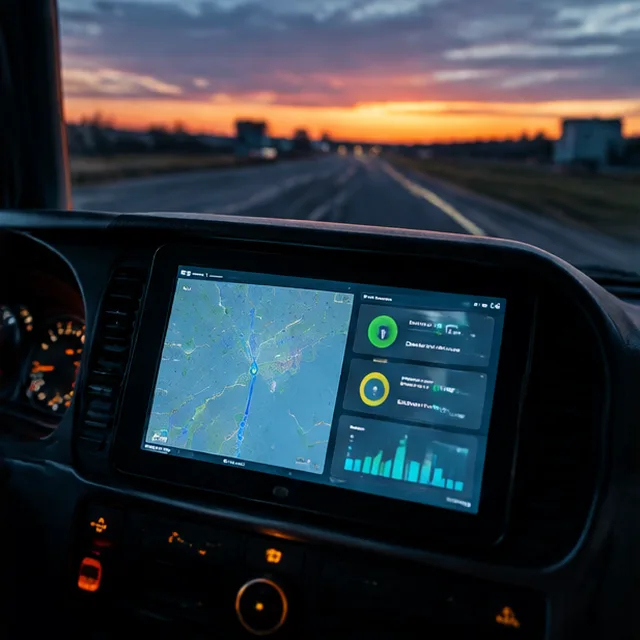
A telematics device reads position from satellites and, where it can, engine data such as ignition, speed, fuel level and fault codes. Motion sensors add braking, acceleration and cornering events. Together they describe where a vehicle went and how it was driven.
Cameras and sensors can add video, temperature and door status.
How the data travels
The device sends reports over a cellular connection to a server, which draws the map and stores the history. Reports can be as often as every few seconds or as rarely as a few times a day. Faster reports give more detail and use more data.
The Update-Rate Data Planner on this site shows the trade-off.
How fleets use it
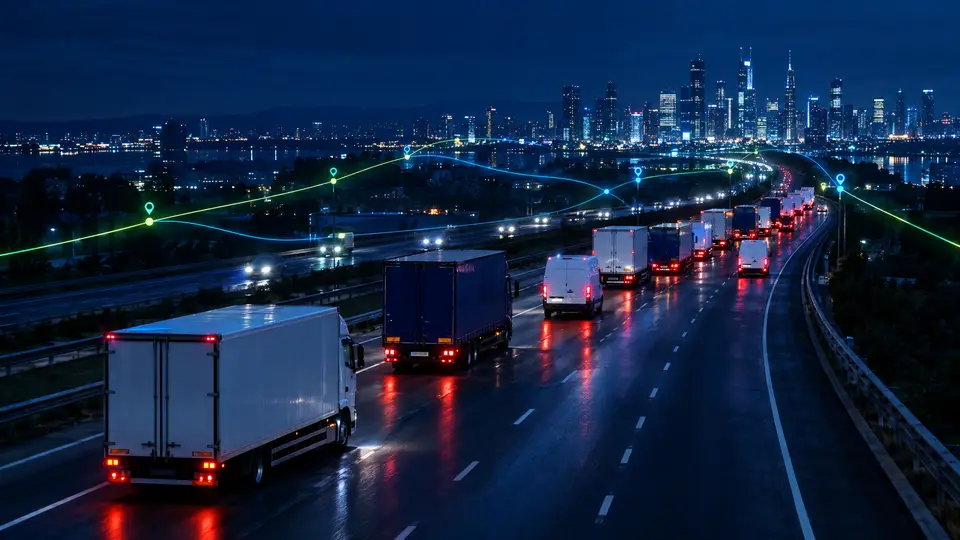
Dispatch uses the live map to assign jobs. Managers use reports to cut idle time, fuel and overtime. Safety teams use events to coach drivers, and finance uses mileage and cost reports. The best programs pick a few measures and review them regularly.
Data alone does not change anything; routines do.
Mistakes to avoid
- Collecting data without a review routine
- Tracking too many measures at once
- Ignoring driver buy-in
- Forgetting to act on alerts
What Is Fleet Telematics?: questions
Is telematics the same as GPS tracking?
GPS tracking is the location part. Telematics adds vehicle data and events.
Do I need cameras?
Not always. Cameras help with safety and disputes.
Put this guide to work
Tell us about your fleet. We reply with a clear next step and a written quote.