How to Reduce Fuel Costs with Fleet GPS Tracking
Fuel is a major cost for most fleets. This guide shows where fuel goes to waste and how tracking helps find it.
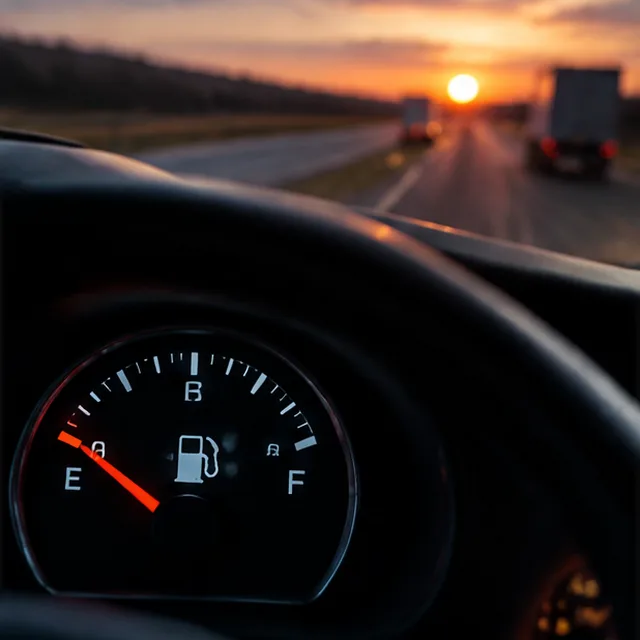
Where fuel goes to waste
Idling burns fuel at zero miles per gallon. Speeding raises fuel use, hard acceleration wastes it and detours add miles. Poor maintenance, such as low tire pressure, also costs fuel.
A tracker records all of these, so you see where waste is happening instead of guessing.
What to measure
Track idle hours, miles per gallon by vehicle, speeding events and route detours. Compare similar vehicles; the outliers show where to look. The Idling Cost Calculator and the Fuel Cost Calculator on this site turn your numbers into dollars.
Match fuel card purchases to vehicle data to catch mistakes or misuse.
Habits that help
Set an idle policy, such as shutting off after a few minutes, and share the report with drivers. Coach the worst speeding and acceleration events. Plan routes to avoid backtracking, and keep vehicles serviced on time.
Recognize improvement, not just the best numbers.
Mistakes to avoid
- Setting an idle policy and never sharing the report
- Looking only at total fuel, not fuel per mile
- Ignoring maintenance
- Punishing instead of coaching
Reduce Fuel Costs with GPS Tracking: questions
How much can I save?
It depends on your fleet and habits. Measure first, and the numbers will tell you.
Does tracking reduce idling by itself?
Visibility helps, and a clear idle policy with feedback helps more.
Put this guide to work
Tell us about your fleet. We reply with a clear next step and a written quote.