How to Track Trailers and Equipment
Trailers and equipment have no engine data to share and often no power. This guide covers the options and how to choose.
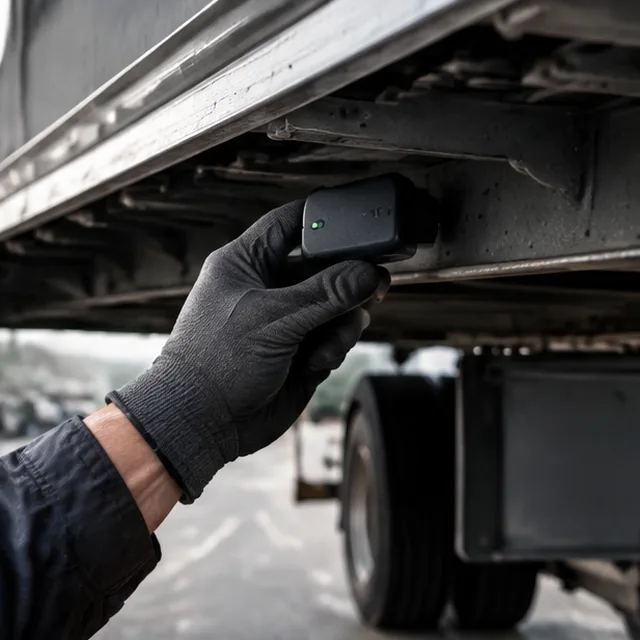
Choose the right tracker
Battery-powered trackers attach with magnets, bolts or adhesive and need no wiring. Hardwired units suit equipment with a battery of its own, and give hours data. Small asset tags suit tools and generators.
Choose by value and by how the asset moves.
Set the schedule and the rules
A parked asset can report a few times a day, and wake for extra reports when it moves. Faster reports shorten battery life. Set geofences around yards and sites, and movement alerts for after hours.
The Update-Rate Data Planner on this site shows how the schedule affects data use.
Protect the tracker
Place the unit out of sight and hard to reach. Add a second hidden tracker on the highest-value items. Check battery levels monthly and replace or recharge before they run out.
A tracker that dies quietly is worse than none.
Mistakes to avoid
- Choosing the fastest schedule for every asset
- Not checking battery levels
- Leaving the tracker in plain sight
- Forgetting geofences
How to Track Trailers and Equipment: questions
How long does the battery last?
It depends on the schedule. Slower reporting lasts much longer.
Can trackers survive weather?
Most are sealed for outdoor use. Check the rating for your conditions.
Put this guide to work
Tell us about your fleet. We reply with a clear next step and a written quote.